

Inventory management refers to all the processes that enable an organization to track, control, organize, and optimize its physical assets throughout their lifecycle.
It plays a key role in the operational, financial, and logistical performance of businesses, regardless of their size or industry.
Inventory Management Definition
 Inventory management means knowing exactly what you own, where it is located, in what condition it is, and for what purpose it is being used, at all times.
It typically involves:
- Item Identification (products, equipment, tools, assets)
- Asset tracking
- Loans and reservations management
- Reporting
Effective inventory management helps prevent stockouts, reduce losses, ensure equipment traceability, and guarantee the availability of resources needed for operations.
Why Is Inventory Management Important?
Inefficient inventory management can lead to serious consequences such as financial losses, delays, lower productivity, increased human errors, and dissatisfied customers.
On the other hand, a structured approach makes it possible to:
- Reduce costs related to overstocking and waste
- Improve visibility into assets and their usage
- Optimize purchasing and replenishment
- Speed up daily operations
- Improve decision-making with reliable and accurate data
For growing or multi-site organizations, inventory management becomes a true strategic lever.

Main Types of Inventory Management
1. Product Inventory Management
Commonly used in retail, distribution, and manufacturing, it focuses on goods intended for sale. The goal is to balance supply and demand without tying up excessive capital.
2. Equipment and Materials Management
Widely used in construction, education, healthcare, and municipalities, it allows organizations to track the usage, location, and condition of shared equipment.
3. Asset Management
This approach goes beyond equipment tracking by integrating financial value, lifespan, maintenance, and depreciation. It is often used for long-term assets.

Inventory Management Methods
Choosing the right method is essential for effective inventory management. The best approach depends on the type of goods, stock volume, and the level of control required.
1. FIFO – First In, First Out
FIFO means that the oldest items in stock are used first. It is ideal for perishable or time-sensitive products, as it promotes proper stock rotation and reduces the risk of losses and obsolescence.
2. LIFO (Last In, First Out)
LIFO uses the most recently received items first.
Sometimes restricted by accounting standards, it can still be useful in certain financial contexts, particularly to better reflect costs during inflationary periods.
3. JIT (Just-In-Time)
Just-In-Time aims to keep inventory levels as low as possible by receiving goods only when they are needed.
This approach reduces storage costs but requires excellent supplier coordination and careful planning.
4. Minimum Stock/Safety Stock
This method relies on a reorder threshold that triggers replenishment before a stockout occurs, while maintaining a buffer to handle unexpected situations.
5. Analyse ABC
ABC analysis prioritizes items based on their value and level of risk.
It provides a hierarchical view of inventory, making it easier to focus efforts where the impact is greatest and to allocate resources more effectively.
The choice of method depends on stock volume, the type of goods, and the level of control required.
Common Inventory Management Challenges
Despite its importance, inventory management comes with several challenges:
- Lack of real-time visibility
- Data scattered across multiple tools
- Data entry errors or inaccurate information
- Loss or theft of equipment
- Difficulty standardizing processes
These issues are amplified when teams work remotely or across multiple locations.

Benefits of an Inventory Management Software
An inventory management software automates and centralizes all inventory-related operations.
It offers, to name a few:
- Real-time tracking
- Detailed reports on quantities, value, and depreciation
- Multi-site management
- Asset attribution to users or projects.
These solutions often integrate with other tools such as ERP or accounting systems and are ideal for organizations seeking greater efficiency, accuracy, and reliability.
Who Needs Effective Inventory Management?
Inventory management goes far beyond warehouses—it affects all industries that handle equipment or resources. For example:
Education: teaching materials, lab equipment, IT assets
Healthcare: medical and specialized equipment, lab supplies, consumables
Construction: tools, machinery, site materials, heavy equipment
Information Technology: hardware, software licenses, peripherals
Municipalities: vehicles, public infrastructure, equipment loans, room bookings
No matter the sector, effective inventory management provides clear visibility, reduces losses, and improves planning, ensuring smoother and more reliable operations.
Conclusion: Why Invest in an Inventory Management Solution?
Inventory management is much more than tracking quantities. It is a fundamental pillar of organizational performance that helps reduce costs, optimize resources, and support growth.
Whether you manage products, equipment, or long-term assets, investing in the right inventory management strategy and tools is a sustainable strategic decision.
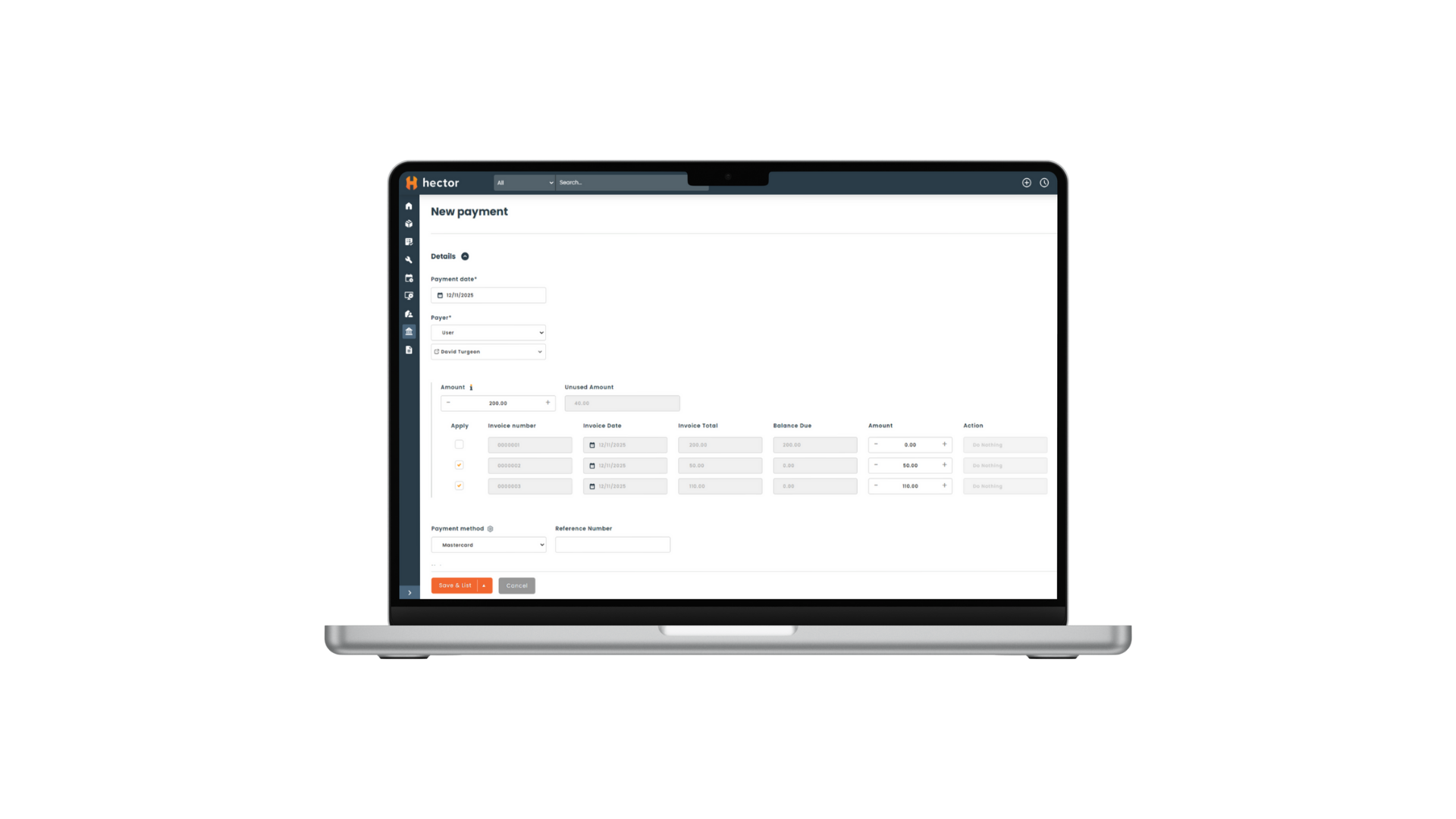
Simplify Your Inventory Management With Hector
Want to go further?
Discover how a modern, flexible inventory management system can transform the way you manage your stocks, equipment, and assets.
